What to do before a credit check

When you apply for loans or credit cards, lenders will review your credit history.
There are ways to prepare for a credit check, which is also known as a credit inquiry. These steps could improve your chances for approval now—and be beneficial for future credit applications.
What you’ll learn:
-
Lenders typically review credit reports and scores whenever you apply for credit cards and other loans.
-
Pre-approval or pre-qualification could give you an idea of whether you might be approved.
-
Checking your own credit reports and scores could also help you see where you stand.
-
Using your existing credit responsibly can help you build credit.
When do you need a credit check?
There are a lot of reasons why you might need a credit check. Potential lenders, landlords, utility companies and even employers might use them. You might even check your own credit reports. Generally, if you’re applying for something that involves money, the person or company on the other end might want to know more about your credit history.
Credit checks can take two forms: hard or soft inquiries. The primary difference between the two is how they affect your credit scores.
Hard inquiries
The Consumer Financial Protection Bureau (CFPB) says these inquiries will impact your credit scores, and the check is visible to others on your credit reports. Lenders often use hard inquiries to review credit card and loan applications.
Soft inquiries
These inquiries are shown only to you when you review your credit reports, and according to the CFPB, they don’t affect your scores. If you check your report, you might see soft inquiries related to pre-approval offers, employment screens and your own credit checks.
Existing lenders might also use them if you ask for something like a higher credit limit.
How to prepare for a credit check
Here are possible steps for preparing for a credit check related to a credit card application. They might also apply when you’re applying for other types of credit.
1. Check your credit reports
Checking your own credit reports can help you see what card issuers see on your reports. Plus, it can give you an idea of where you stand with your credit.
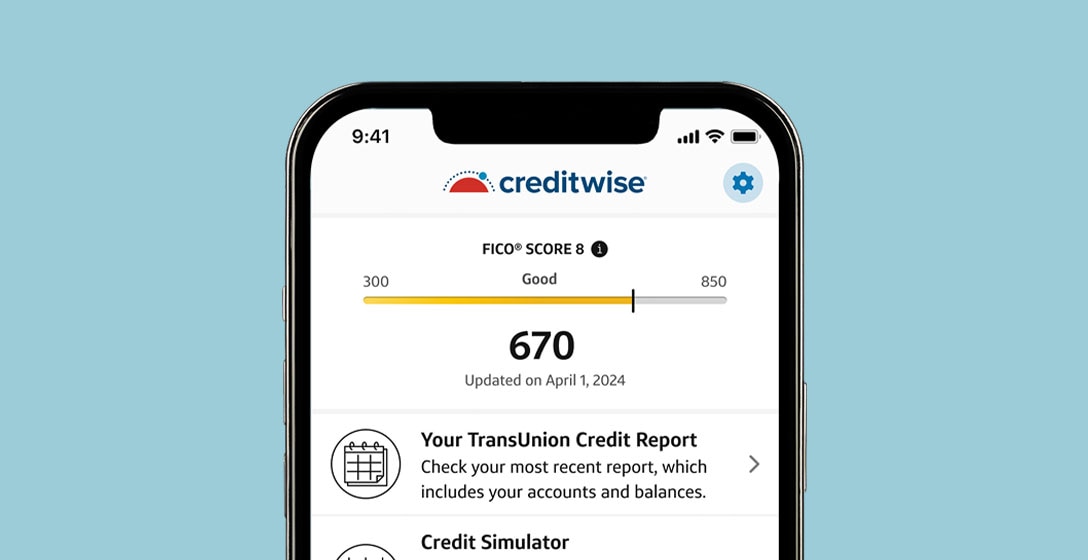
One way to monitor your credit is with CreditWise from Capital One. With CreditWise, you can access your credit score and credit report for free—even if you’re not a Capital One cardholder. And using CreditWise won’t impact your credit scores.
You can also get free copies of your credit reports from each of the three major credit bureaus—Equifax®, Experian® and TransUnion®—by visiting AnnualCreditReport.com.
2. Dispute mistakes
If you notice a mistake on a credit report, you have the right to reach out to the credit bureau to request that it be updated or removed. The CFPB recommends explaining in writing what you think is wrong and why. It also suggests including documents that support your position.
If you find inaccuracies, it may help to wait until they’ve been resolved before going ahead with your application for credit.
3. Temporarily lift credit freezes
If you’ve put a freeze on your credit, credit card issuers won’t be able to perform a credit check. In this case, you can temporarily unfreeze your credit and then freeze it again later.
Keep in mind that you may need to lift the freeze with each of the three major credit bureaus separately.
4. Check eligibility for a new credit card
Some credit card issuers offer pre-approval or pre-qualification, which can help you find out whether you might be eligible for a credit card before you apply. The CFPB says these prescreening activities involve a soft inquiry and won’t hurt your credit scores.
5. Practice good credit habits
Responsible credit habits can help improve your credit scores. This is an ongoing process, whether you’re applying for credit today or planning to apply in the future.
The CFPB offers these tips:
-
Always pay your bills on time. Payment history is the most important factor in credit scoring, according to scorers FICO® and VantageScore®.
-
Stay well below your credit limits. The CFPB recommends keeping your credit utilization ratio—a measure of how much of your available credit you’re using—below 30%.
-
Apply only for credit you need. Lenders may think your financial situation has changed for the worse if you apply for multiple credit cards or loans over a short period of time.
Key takeaways: What to do before a credit check
There are ways to prepare for a credit check before you apply for credit. One way is to use credit responsibly. This is an ongoing process. And the same principles apply whether you’re just starting to build credit or have a strong credit record.
If you’re considering a Capital One credit card, you can see if you’ll be approved for a card with 100% certainty before you accept. It’s quick and it won’t hurt your credit scores.