What is a prime credit score?

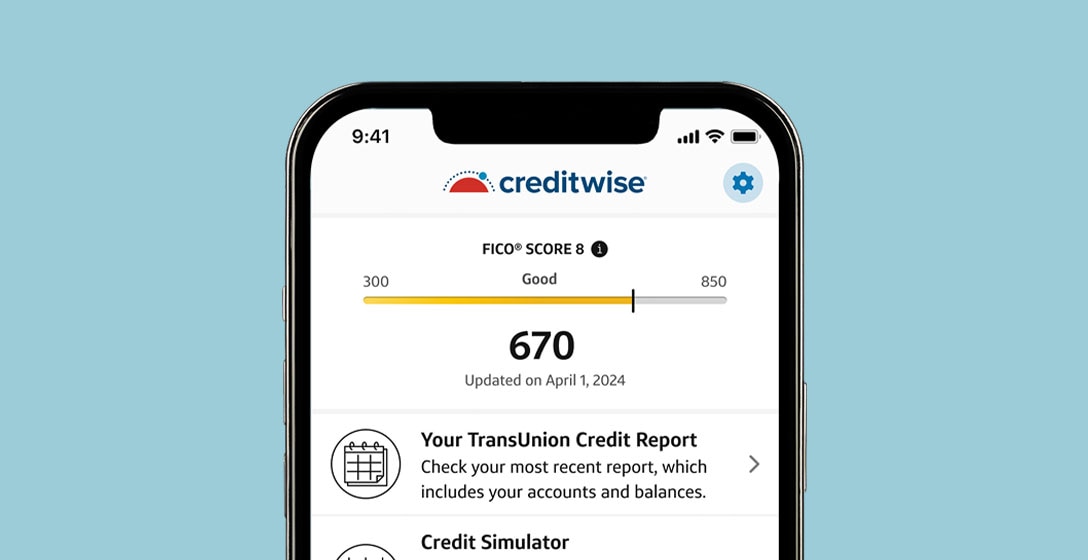
A prime credit score is a FICO® score of 660 to 719, according to the Consumer Financial Protection Bureau (CFPB). Borrowers in this range are typically considered lower risk and may qualify for more favorable terms, though the exact score threshold varies by lender and scoring model.
What you’ll learn:
-
On the FICO credit score range, a prime credit score is between 660 and 719.
-
Borrowers with prime credit scores tend to pose relatively little risk to lenders and creditors.
-
With a prime credit score, you may qualify for more favorable loan or credit card terms, interest rates and reward programs.
-
Credit scores of 720 or higher are considered super-prime. This is the highest level, and borrowers may potentially qualify for even more favorable lending terms.
Benefits of a prime credit score
Credit scores are used by lenders to assess borrowers’ creditworthiness and ability to repay debt. Having a prime credit score can prove valuable for several reasons. It can help you:
-
Increase your approval odds. In general, the higher your credit score, the better your odds of approval for a loan or credit card. That’s because lenders view prime borrowers as low risk.
-
Save on interest rates. Qualifying for a favorable interest rate can help save you hundreds to thousands of dollars in interest over the life of a loan.
-
Qualify for credit card rewards and benefits. Some reward credit cards require higher credit scores than others for approval. Being a prime borrower can increase your odds of approval for one of these cards.
Prime vs. super-prime credit
Prime credit is typically considered good credit. Super-prime credit is considered excellent credit. The CFPB rates any credit score of 720 and above—the highest credit score range—as super-prime. Because these borrowers are generally considered the lowest risk, lenders can offer them their most favorable lending terms.
How to get a prime credit score
If you’re planning on applying for financing, you’ll want to evaluate your current financial standing and credit scores. If you’re currently below prime, also known as subprime, you may want to spend some time improving your scores.
Here are some tips to help you achieve a prime credit score:
Routinely monitor your credit
Monitoring your credit is important when trying to maintain or improve your credit scores. And it can help you identify any errors or fraudulent activity that may be negatively impacting your credit scores.
One way to monitor your credit is with CreditWise from Capital One. CreditWise gives you access to your credit report and credit score anytime—for free. And using it won’t hurt your scores.
You can also get free copies of your credit reports from all three major credit bureaus—Equifax®, Experian® and TransUnion®. Call 877-322-8228 or visit AnnualCreditReport.com to learn more.
Dispute any errors on your credit reports
If you notice any errors on your credit reports, report them to the appropriate credit bureau or lender that issued the report as soon as possible.
Keep your credit utilization low
Credit utilization is the amount of credit you’re using compared to the amount of credit you have available. Credit experts recommend that you try to stay below 30%.
Pay your bills on time
Payment history is an important factor in determining your credit score. When you make a late payment, it can have a negative impact on your credit scores. And late payments can remain on your reports for up to seven years.
Avoid opening too many new accounts
When you apply for new credit, it can have a negative impact on your scores, especially if you open multiple accounts at the same time. Try to avoid applying for new credit unless you really need it, and space out applications if possible.
Key takeaways: Prime credit score
Understanding where your credit score falls can help you better assess your borrowing options and identify areas where you can improve. If your score is already in the prime or near-prime range, you may be ready for new credit opportunities. With Capital One, you can see if you’re guaranteed to be approved for a credit card—with no impact on your credit scores.